Body, Identity & Transformation
The body is a site upon which identity is constructed, negotiated and transformed. Across these bodies of work, Paddy Hartley explores the relationship between physical appearance, personal identity and the cultural, social and medical forces that shape our understanding and experience of the body.
Drawing upon scientific enquiry, medical research and material experimentation, the work considers the ways in which the body becomes subject to intervention, alteration and interpretation. From the pursuit of idealised physical appearance to the consequences of medical treatment and the complexities of bodily vulnerability, these investigations examine the boundaries between nature and intervention, autonomy and control, and the physical self and its representation.
Through sculpture and the transformation of materials, Hartley questions the values and assumptions attached to the human body, considering how its appearance, integrity and perceived worth are shaped by the societies in which we live.
First Face Corset. 2001
Face Corsets
Face Corsets explores the relationship between physical appearance, identity and the cultural ideals through which the human face is judged and understood. The work originated following an invitation from the Victoria and Albert Museum to contribute to Short Cuts to Beauty, an event examining contemporary attitudes towards cosmetic surgery and idealised beauty. Hartley proposed creating a series of facial garments exploring a hypothetical alternative to surgical intervention: if altering the face through cosmetic surgery were socially unacceptable, could its appearance instead be transformed through the wearing of a garment?
Developed through the language of corsetry and fashion, the Face Corsets mimic the effects of cosmetic facial procedures, questioning the boundaries between bodily alteration, adornment and identity.
In seeking to incorporate facial implants into the garments, Hartley established a collaboration with Biomaterials scientist Dr Ian Thompson, who was developing bioactive glass implants for use in facial reconstructive surgery. Drawing upon his casting and making expertise, Hartley produced implants tailored to individual patients and their injuries which were subsequently implanted. Bringing together the speculative possibilities of the artworks and the clinical application of patient-specific implants, their collaboration subsequently secured Wellcome SciArt funding to develop the project.
Extensively exhibited and published, Hartley’s Face Corsets also provided an entry point into his subsequent work within the fashion industry. The project also established an enduring relationship between artistic practice, medical science and facial reconstruction, laying the foundations for his later investigations into facial injury, reconstructive surgery during WW1 and the histories of those whose lives were transformed by it..
Face Corset. 2001
First Face Corset. 2001

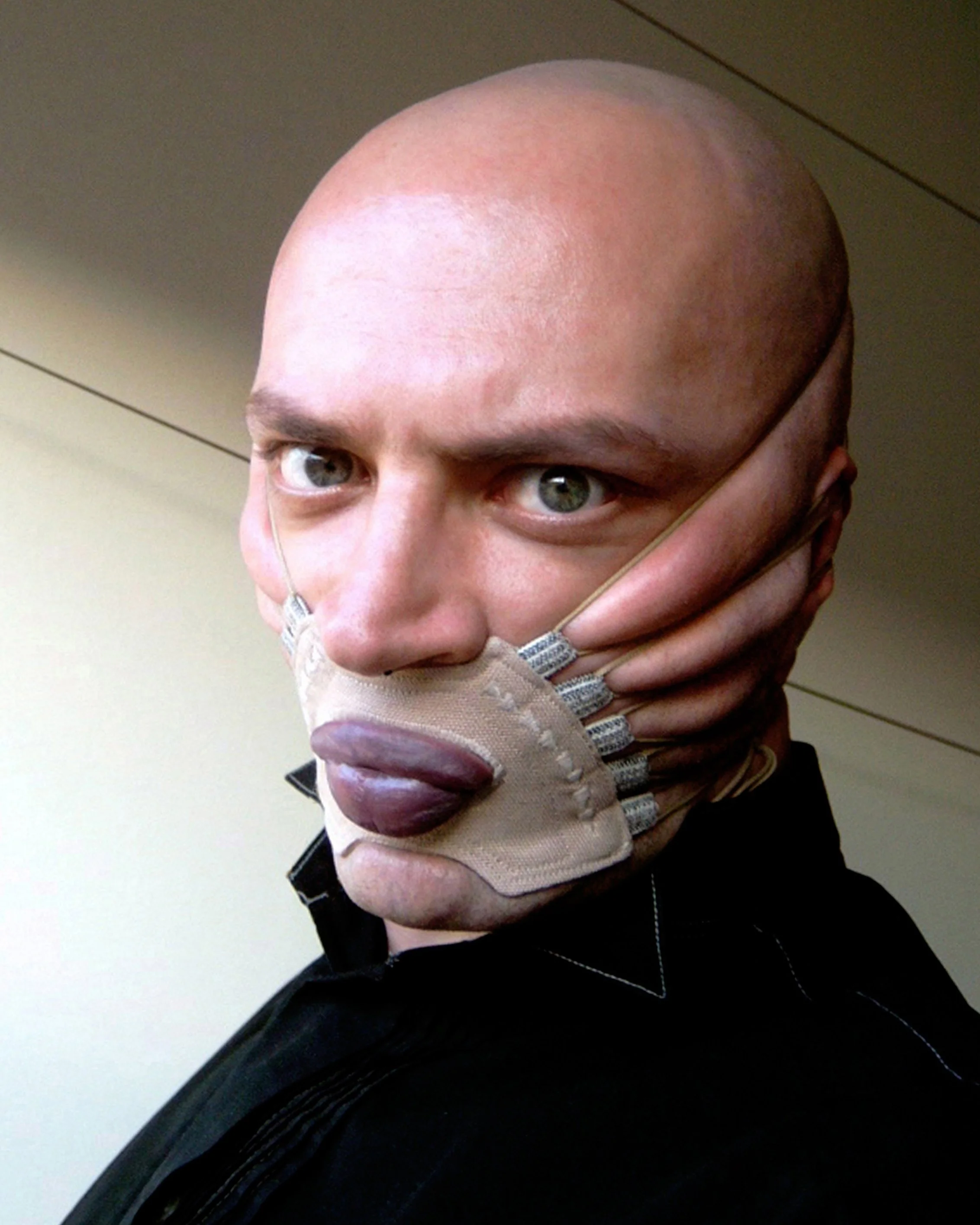
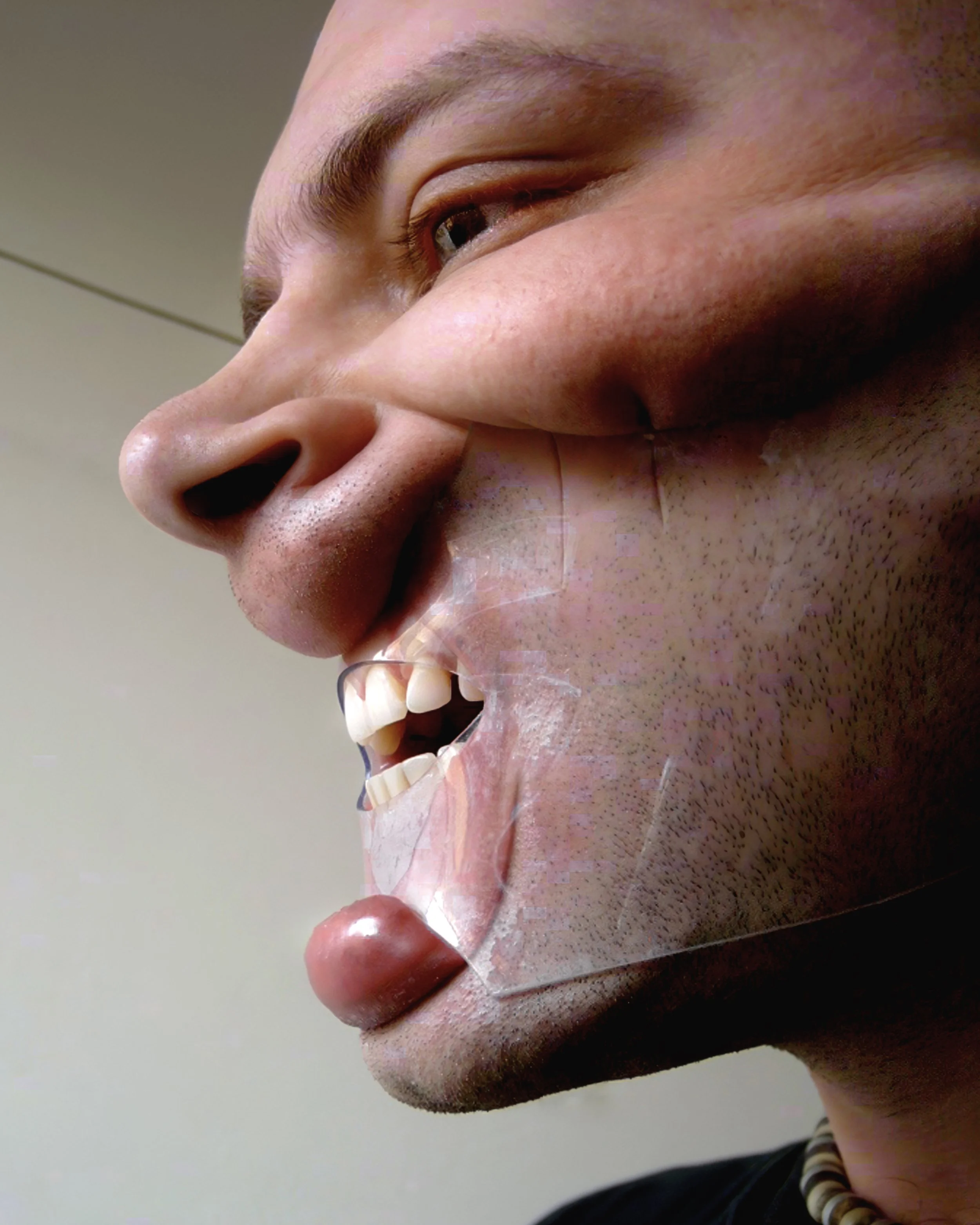
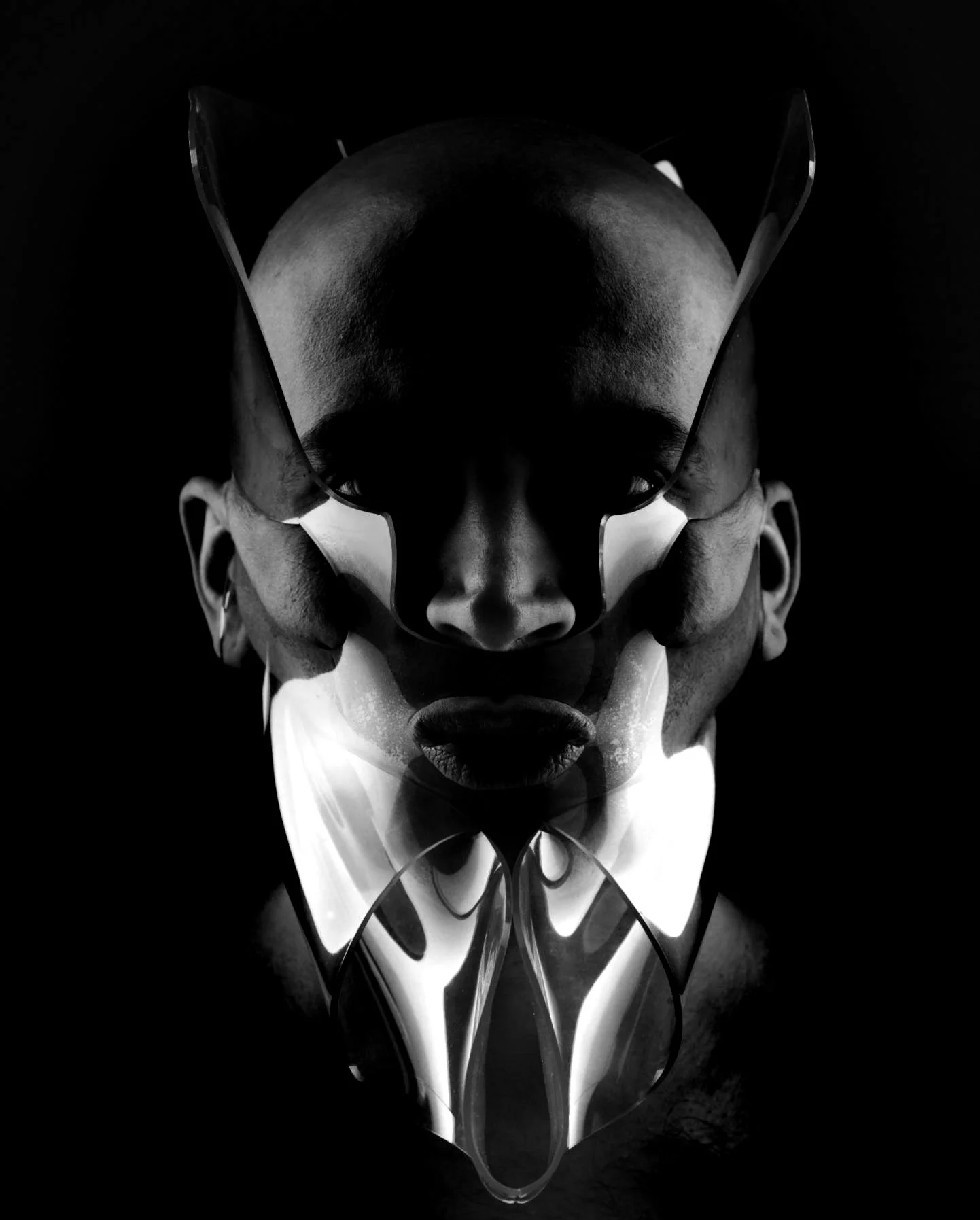
Lady Gaga with PVC Face Corset by Paddy Hartley. Image Credit: Nick Knight. ShowStudio
Crown of Thorns. 2000. Collection of F. Hoffmann-La Roche AG
Safe From Harm
Safe from Harm developed from Paddy Hartley’s postgraduate research and was realised during a Year of the Artist residency at Thackray Medical Museum, Leeds in 2000. The project emerged through a series of discussions with representatives from different faith communities, exploring attitudes towards medical technology, ethics and clinical practice, and the complex relationship between religious belief and medical intervention.
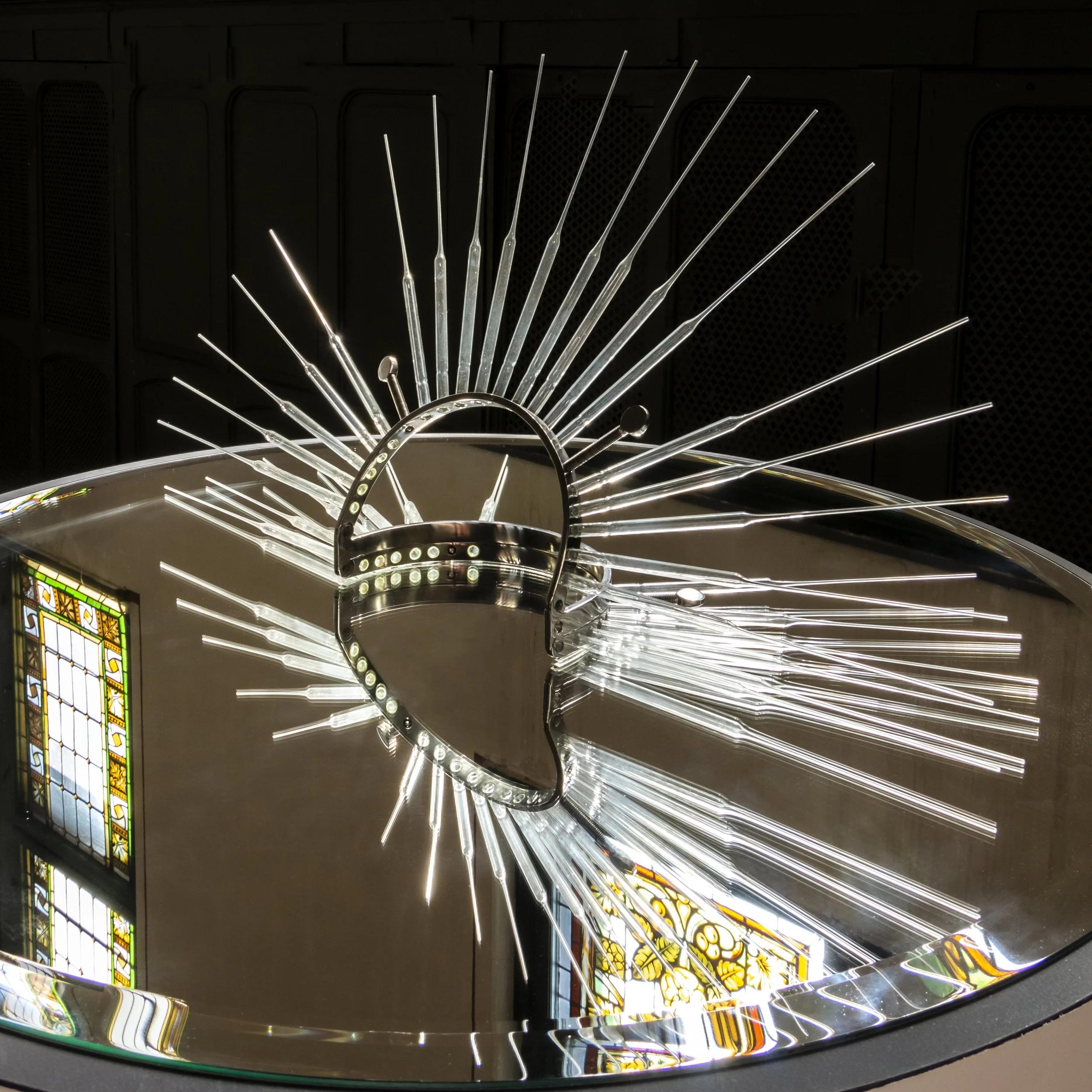
The resulting sculptures were created largely using objects drawn from the museum’s collection and exhibited within and among its existing displays. Works including Rosary, Splint and Crown of Thorns bring together the visual languages of religious devotion, medical treatment/dependency, and bodily intervention, exploring the tensions between faith, healing, suffering and the desire to protect the human body from harm.
The work has continued to feature in publications, exhibitions and retrospectives since its inception, most notably in The Cost of Life touring exhibition, where it formed part of a wider reflection on Hartley’s artistic practice and its engagement with medicine, ethics and the human condition. Crown of Thorns subsequently entered the permanent collection of F. Hoffmann-La Roche AG.
Splint.
Splint.
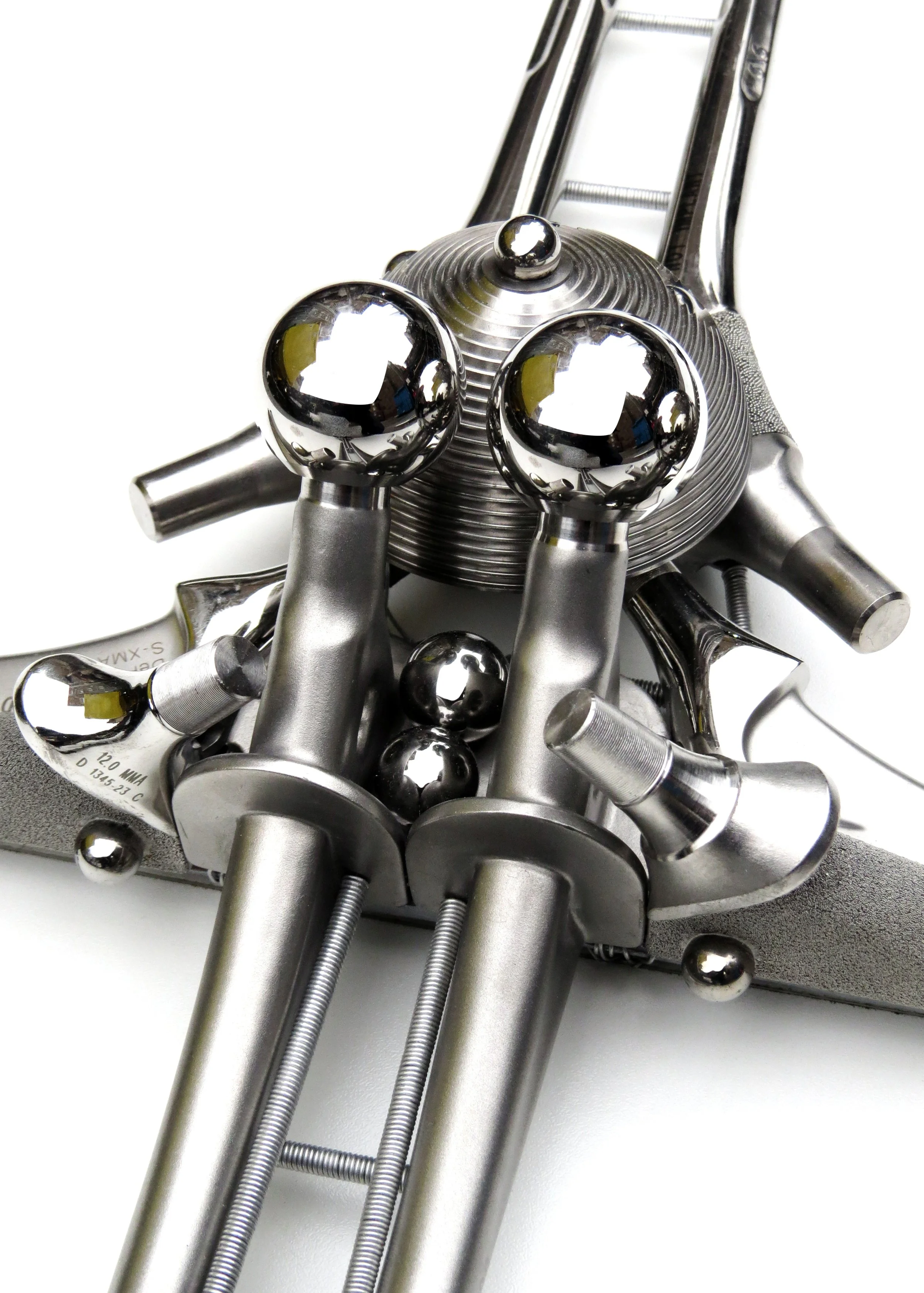
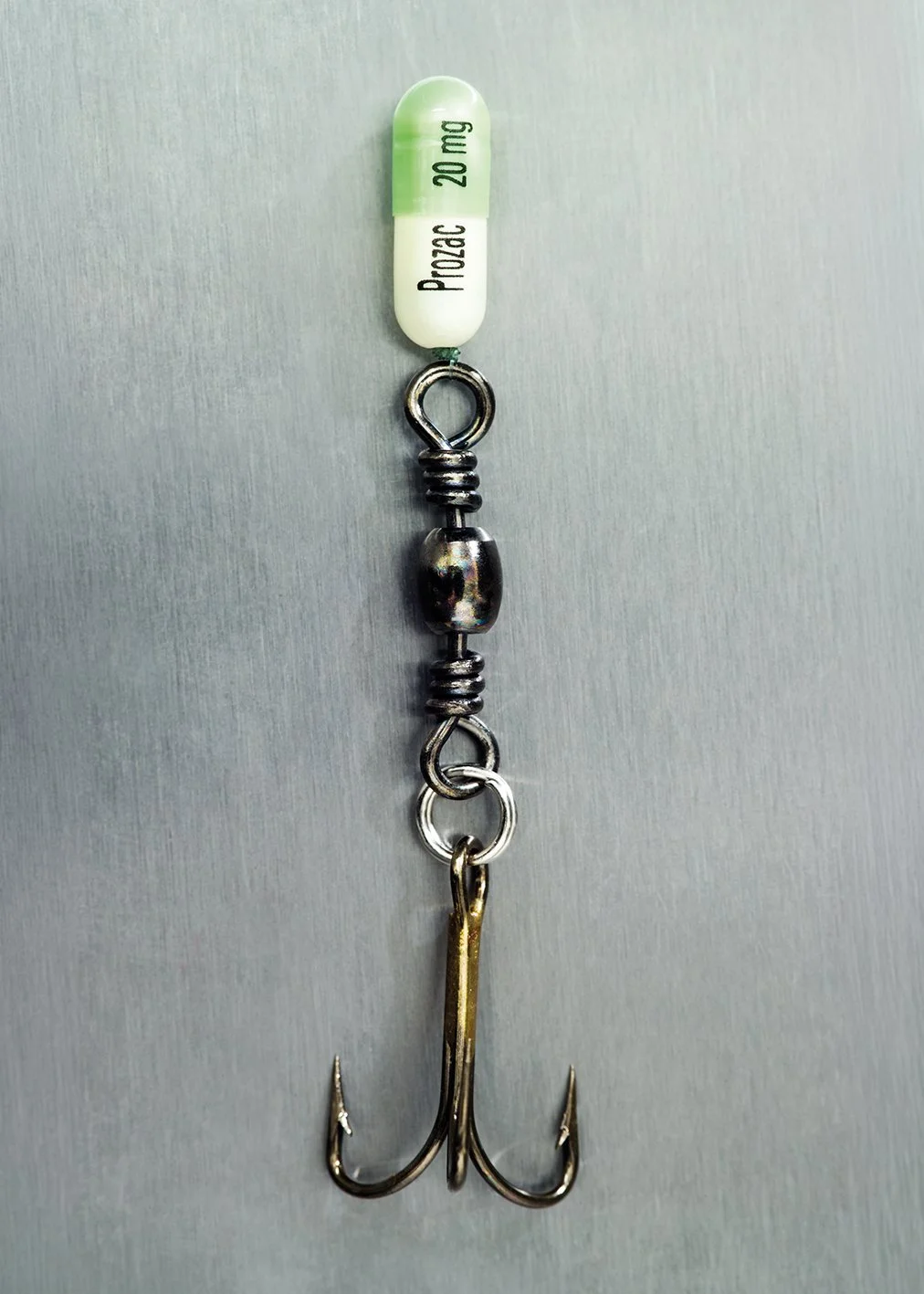
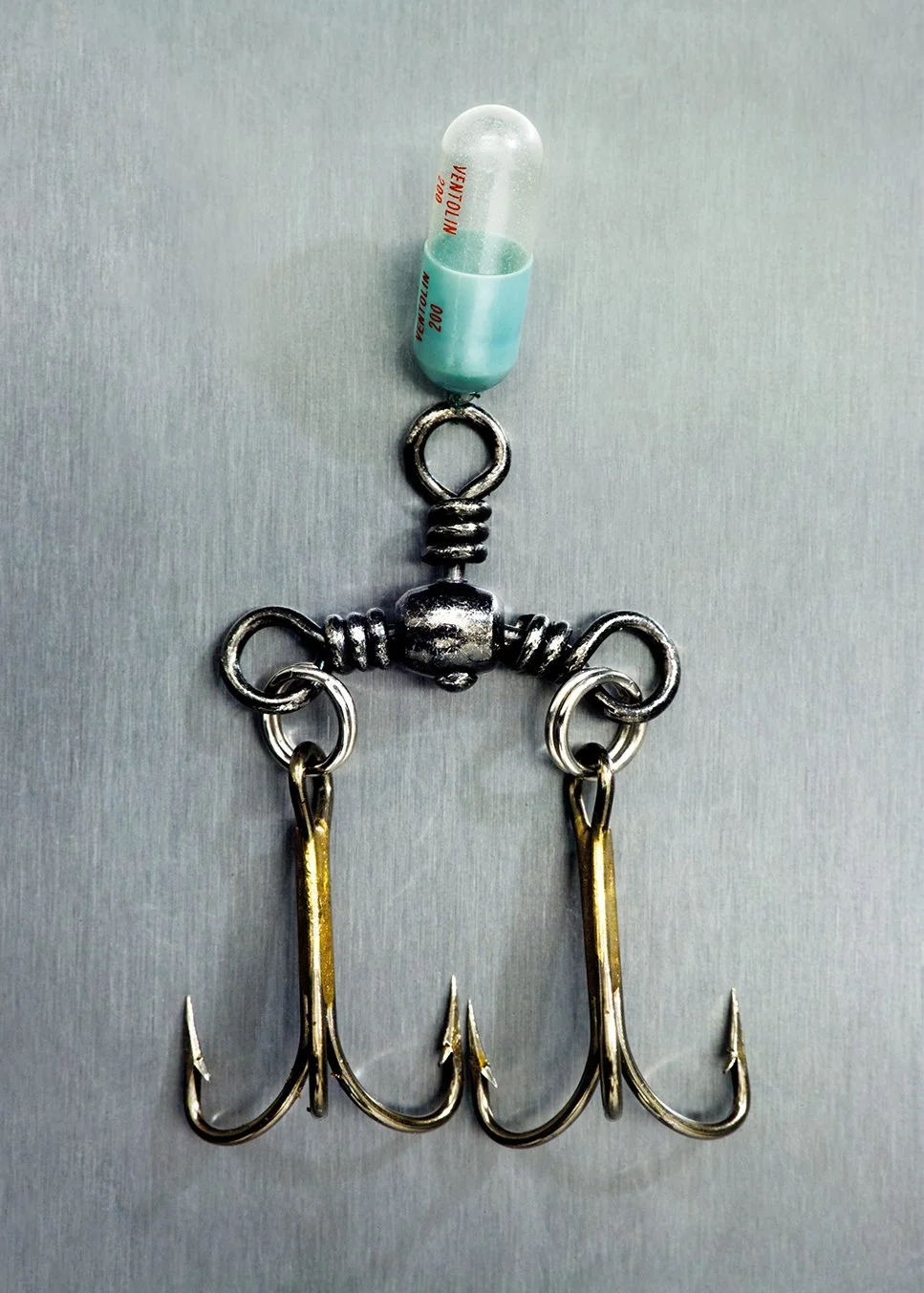
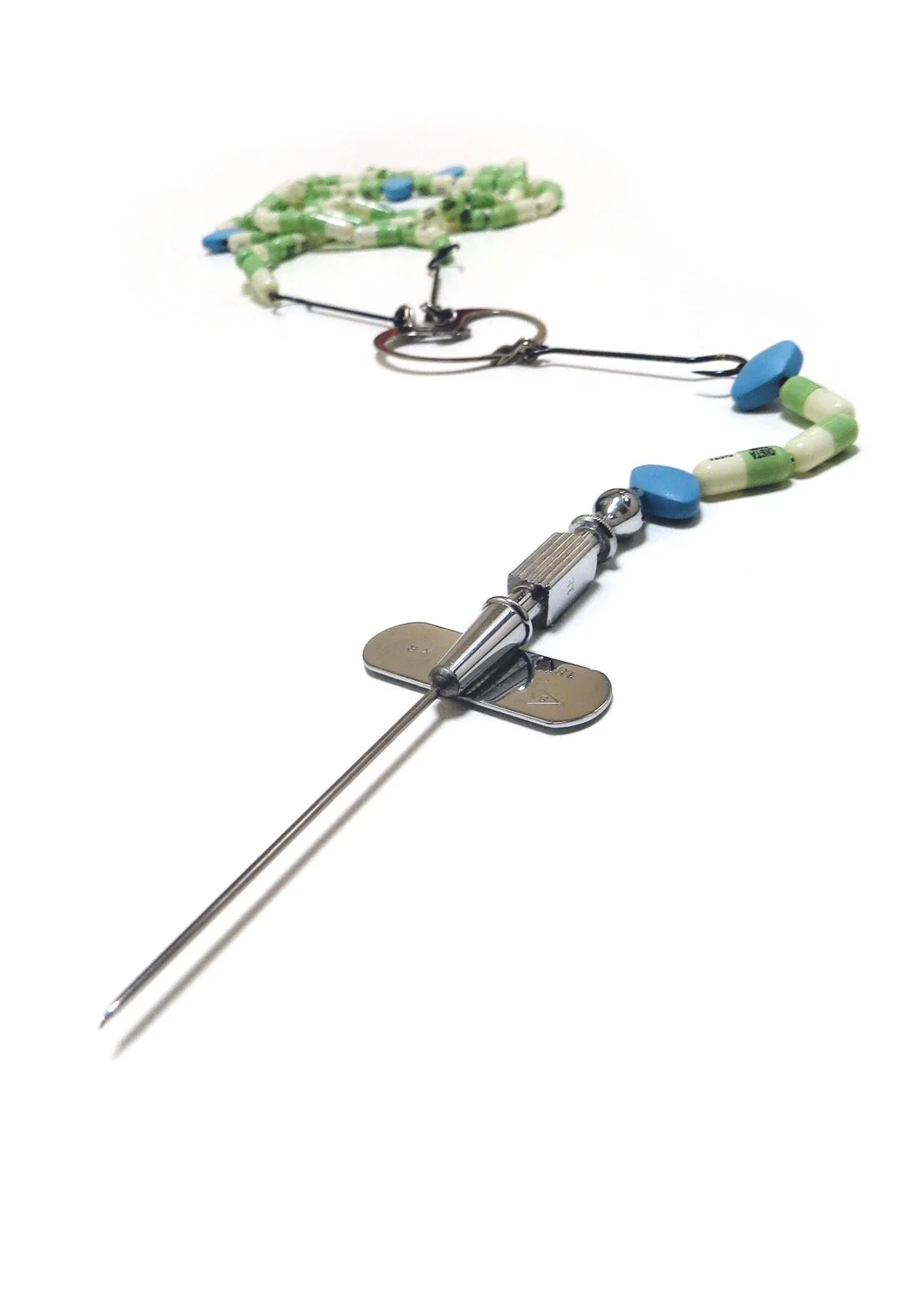
Painkiller
The Cost of Life. Museum Tinguely, Basel. Switzerland.
The Cost of Life
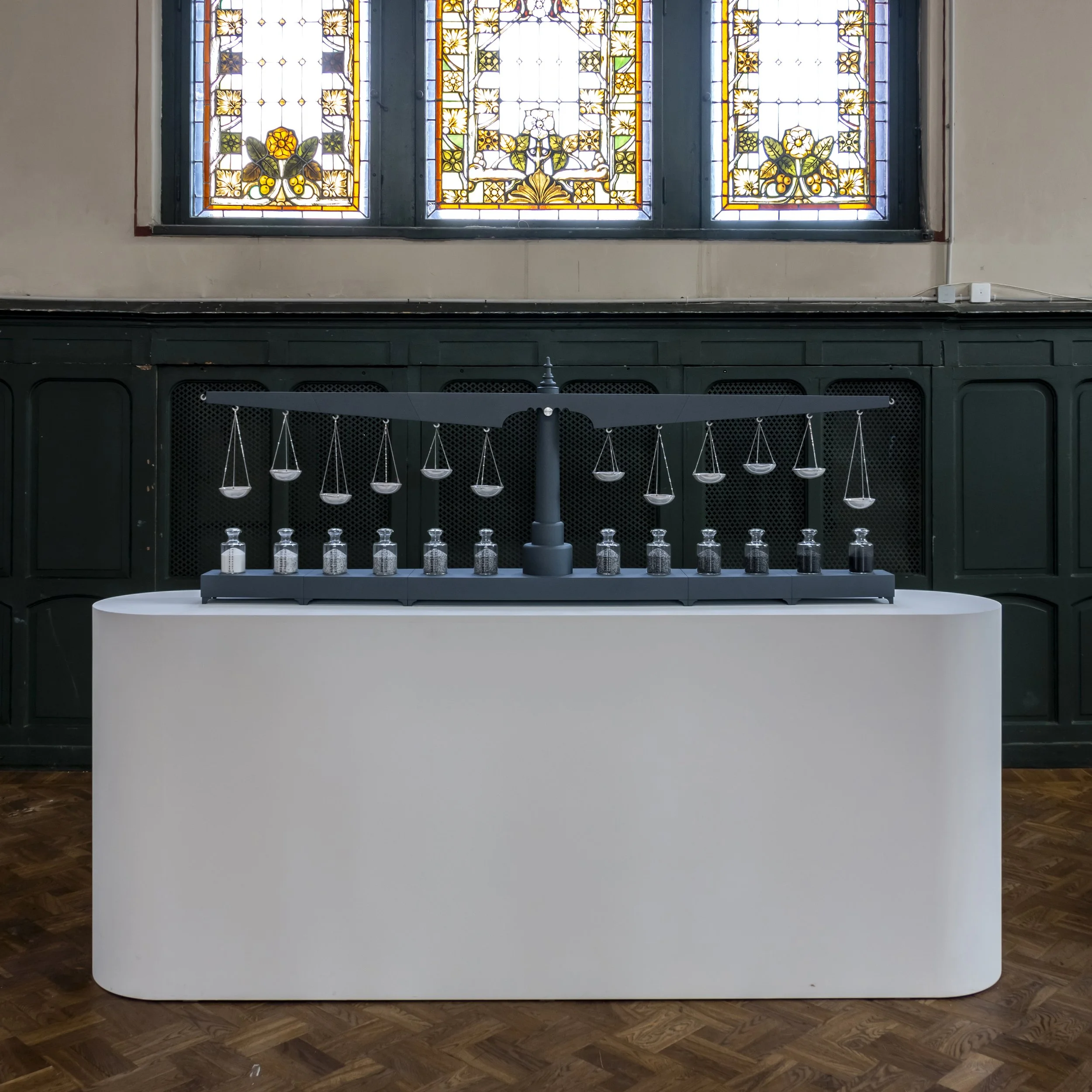
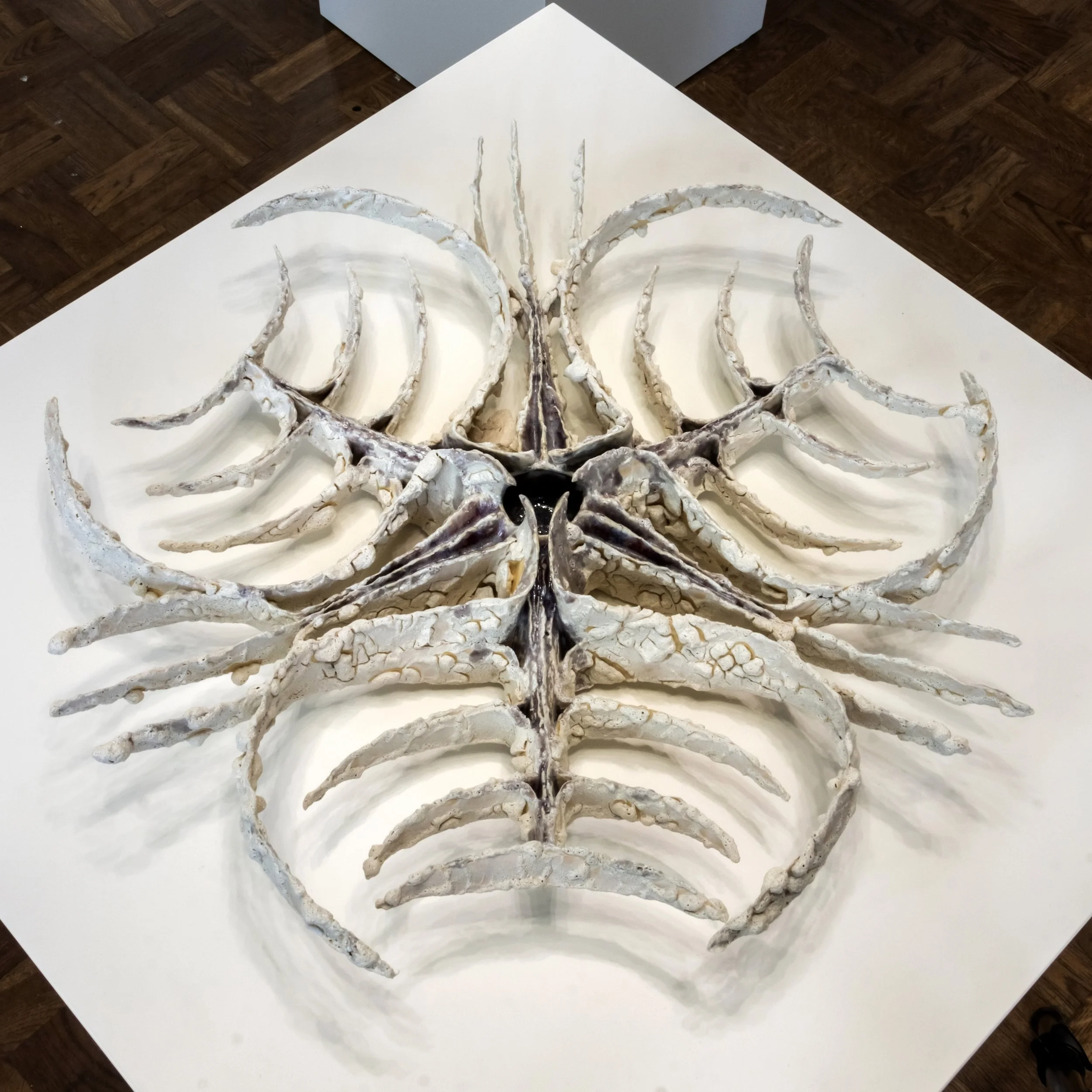
The Cost of Life was commissioned by F. Hoffmann-La Roche following an invited research visit to the company’s historical archive. The project developed into an extensive investigation into the social, cultural and ethical consequences of biomedical science, examining how advances in medicine and technology have shaped our understanding of the human body and impact on society, the value of life and the boundaries of medical intervention.
Drawing upon over a century of medical history, Hartley explored questions surrounding bioethics, human value, life-prolonging healthcare, euthanasia, genetic intervention, cosmetic surgery and the changing expectations placed upon the body, all of which was conducted in parallel with the COVID 19 pandemic. Rather than presenting scientific progress as an uncomplicated narrative of advancement, the work considers its contradictions and consequences, asking what kind of futures are being created through our increasing capacity to intervene in human life.
Translating complex ethical questions into material and sculptural forms, Hartley brought together new work and a retrospective selection of earlier projects, including works from Safe from Harm and Papaver Rhoeas. The resulting solo exhibition opened at Museum Tinguely, Basel, as part of Roche’s 125th anniversary programme on 2021, before subsequently touring to the Art Academy of Latvia.
At its heart, The Cost of Life considers not simply how long we might live, but what it means to live well. Its underlying proposition asks whether the purpose of medical progress should be to add life to years, rather than simply years to life.
HypoTrypanoPharmAlethephobia
The End…to be Continued
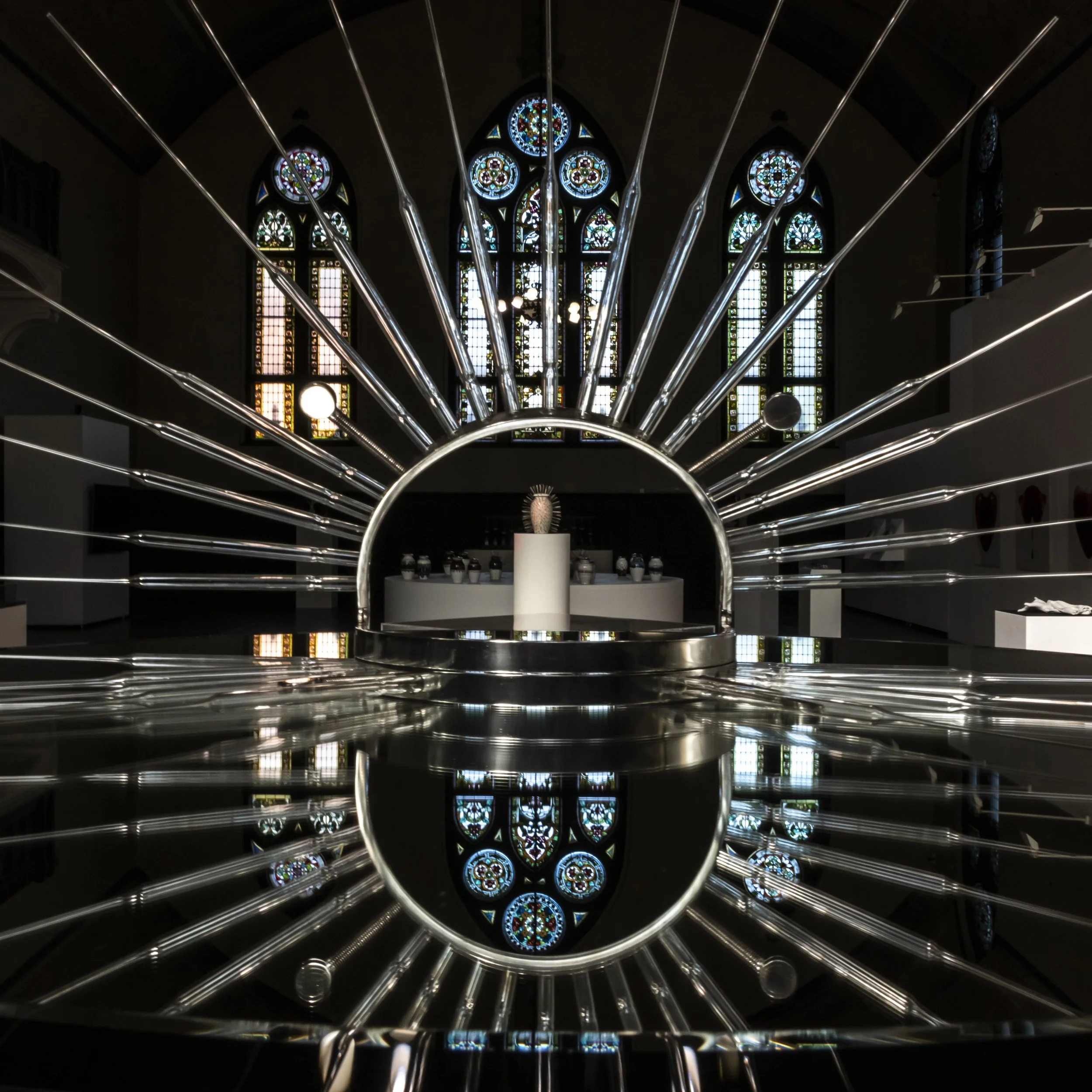
Ill Communication.
The Cost of Life. Art Academy of Latvia, Riga.