Body, Memory & Remembrance
The body is both a record of lived experience and a repository of memory. Across these bodies of work, Paddy Hartley explores the relationship between physical identity, historical memory and the ways in which individual experiences of trauma become embedded within collective narratives.
Drawing upon historical research, archival material and material experimentation, the work examines the consequences of conflict, the reconstruction of the body and the rituals through which lives and events are remembered. Moving between personal histories and wider cultural symbolism, these investigations consider how memory is preserved, transformed and ultimately given meaning.
Spreckley II. 2004
Project Facade
Project Facade emerged from Paddy Hartley’s research into facial reconstruction and the relationship between physical appearance, identity and the body. Initially developed through his collaboration with Dr Ian Thompson at King’s College London and enebled by a major award from The Wellcome Trust, the project evolved from an investigation into the design of Bioglass facial implants and the documentation of maxillofacial surgery at Guy’s Hospital, London.
This work led Hartley to the Gillies Archives at Queen Mary’s Hospital, Sidcup, which contain the medical records of more than 2,500 servicemen treated by Sir Harold Gillies during and after the First World War. Working with archive curator Dr Andrew Bamji, Hartley began to investigate the individual histories of men whose lives had been irrevocably altered by facial injuries sustained in conflict.
The resulting works take the form of embroidered and altered vintage military uniforms. Incorporating embroidery, appliqué and pyrography, Hartley transforms the fabric into a surface through which the physical and psychological consequences of injury, reconstruction and survival are explored. The uniforms become more than historical artefacts: they provide a means of reconnecting the medical histories preserved in the archive with the individual lives behind them.
At the heart of Project Facade is an attempt to look beyond the clinical record and recover something of the identities of the men themselves. Through the material language of the uniform, the work considers the relationship between the body and its representation, and the ways in which personal histories are preserved, obscured and remembered.
Works from this collection have been extensively exhibited and published internationally and are now in the permanent collections of museums including Museum of Arts and Design New York, Wellcome Collection and National Museum of Decorative Arts & Design, Oslo.
Spreckley I. 2004
Spreckley II. 2004
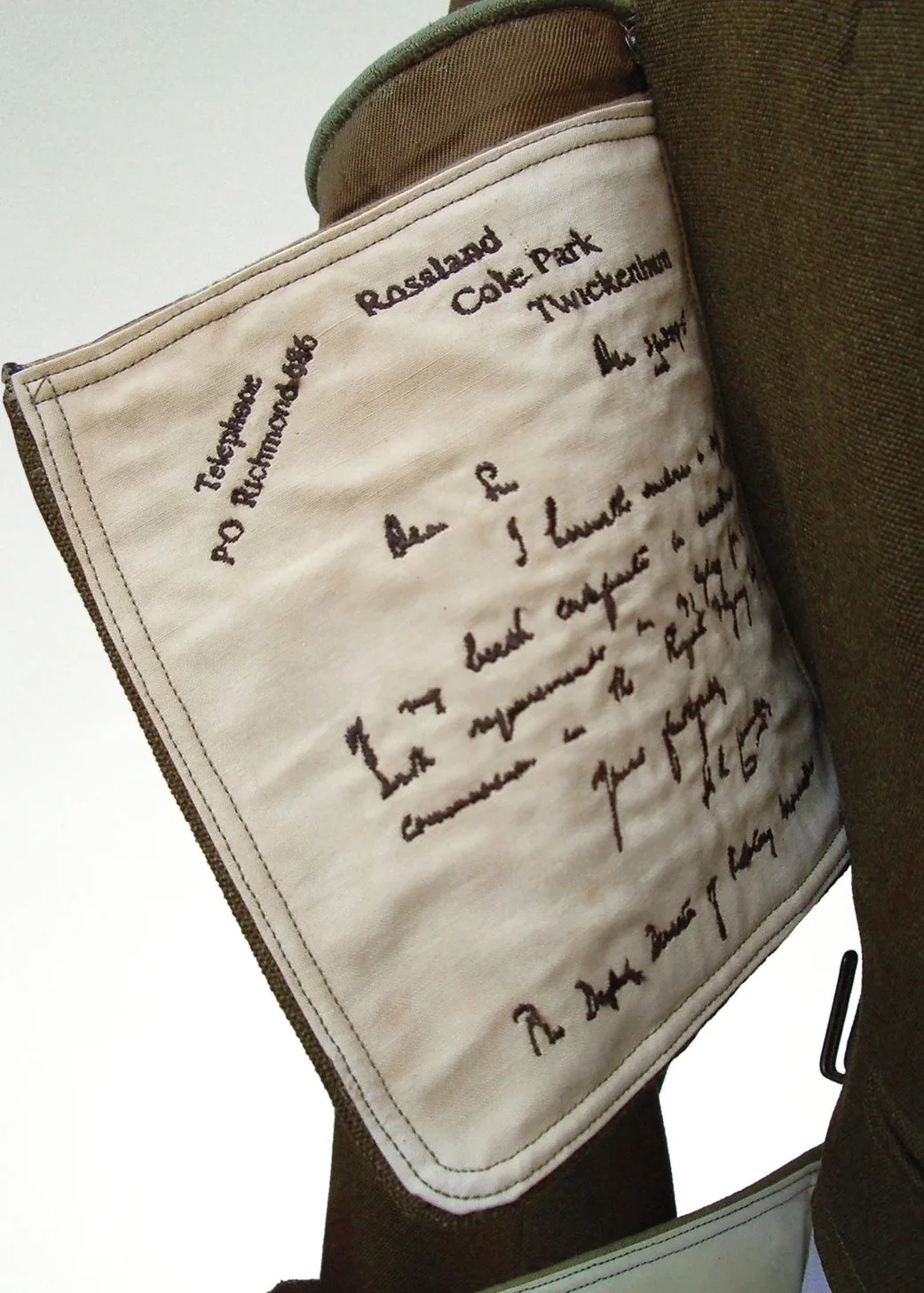
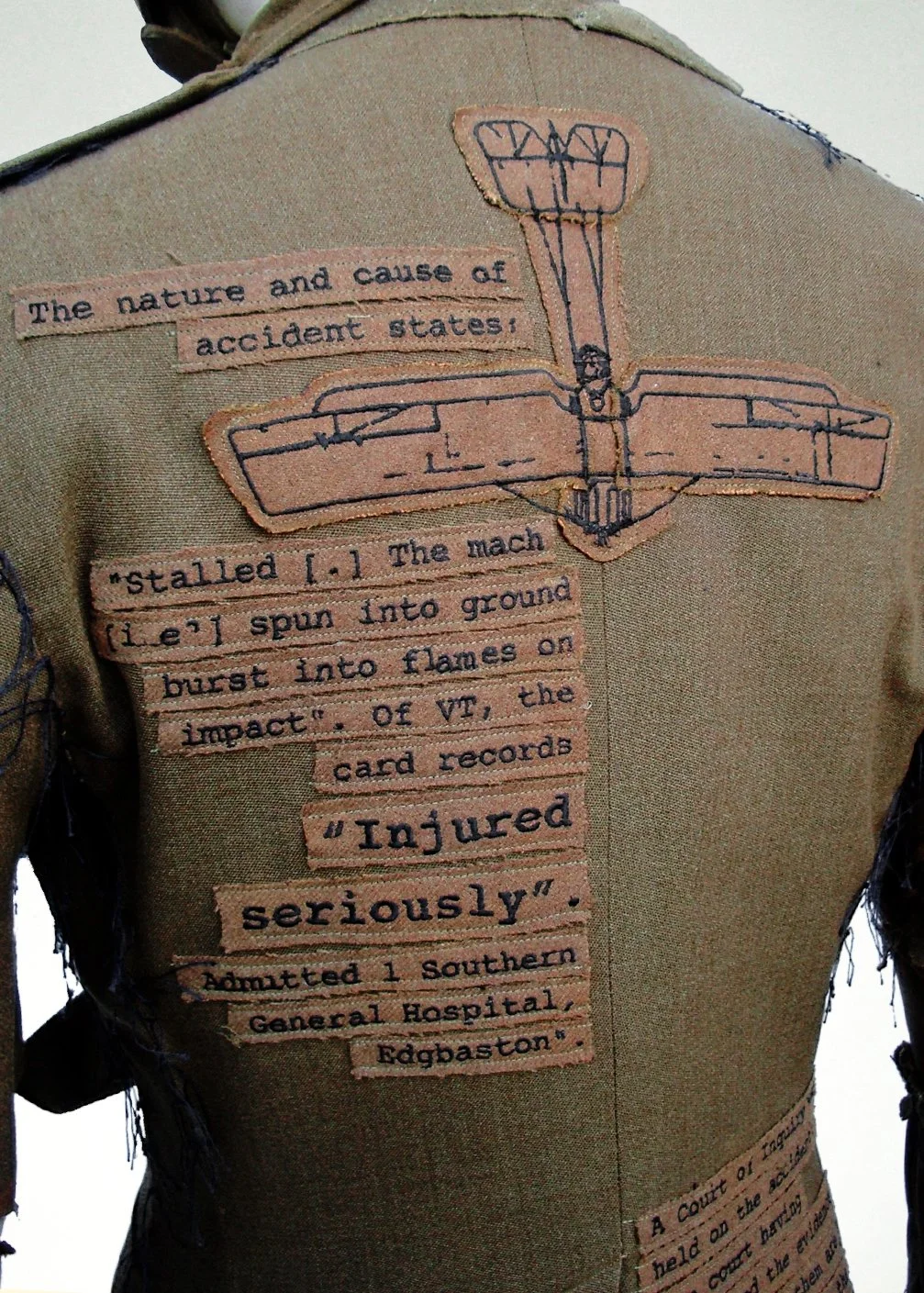
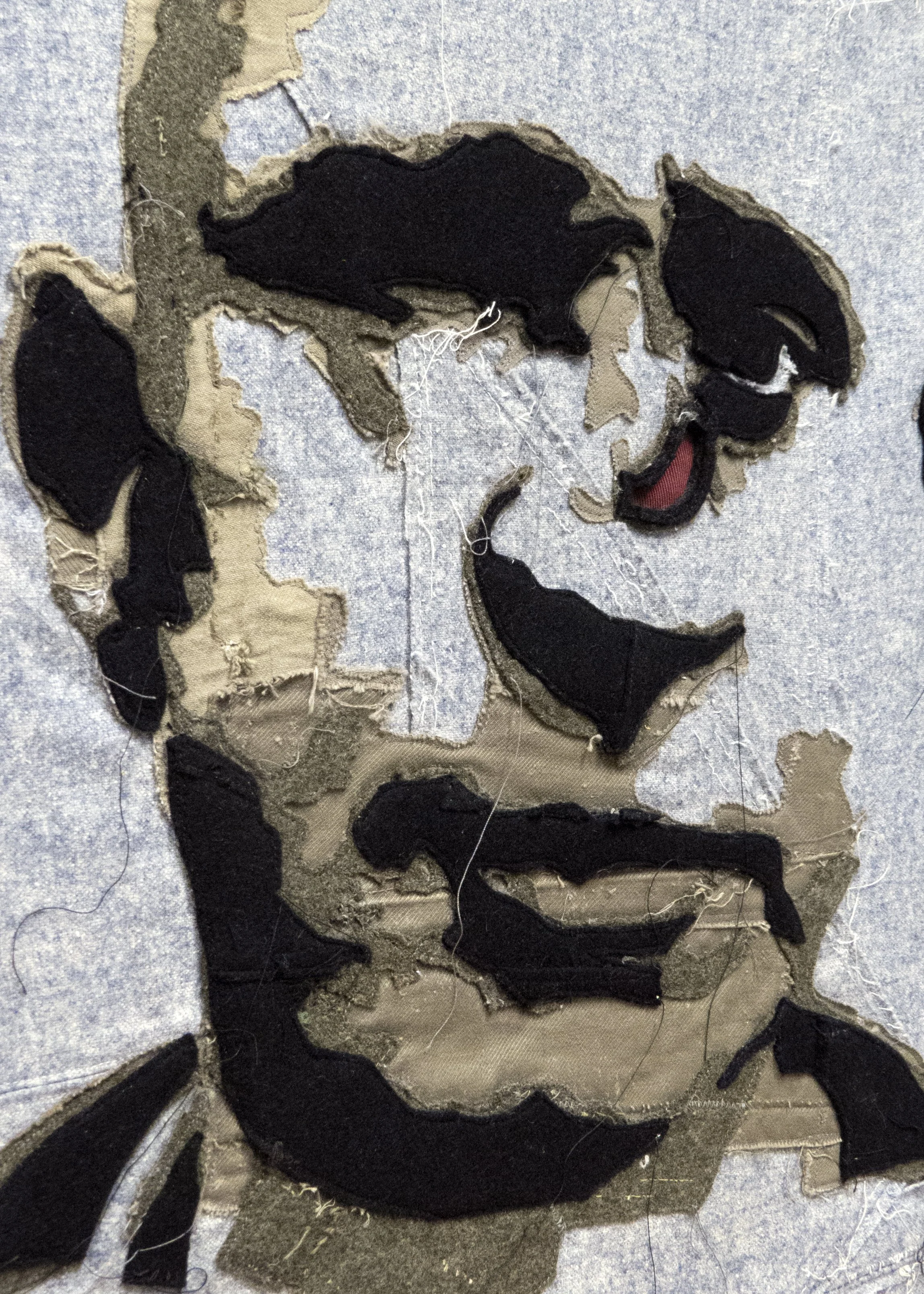
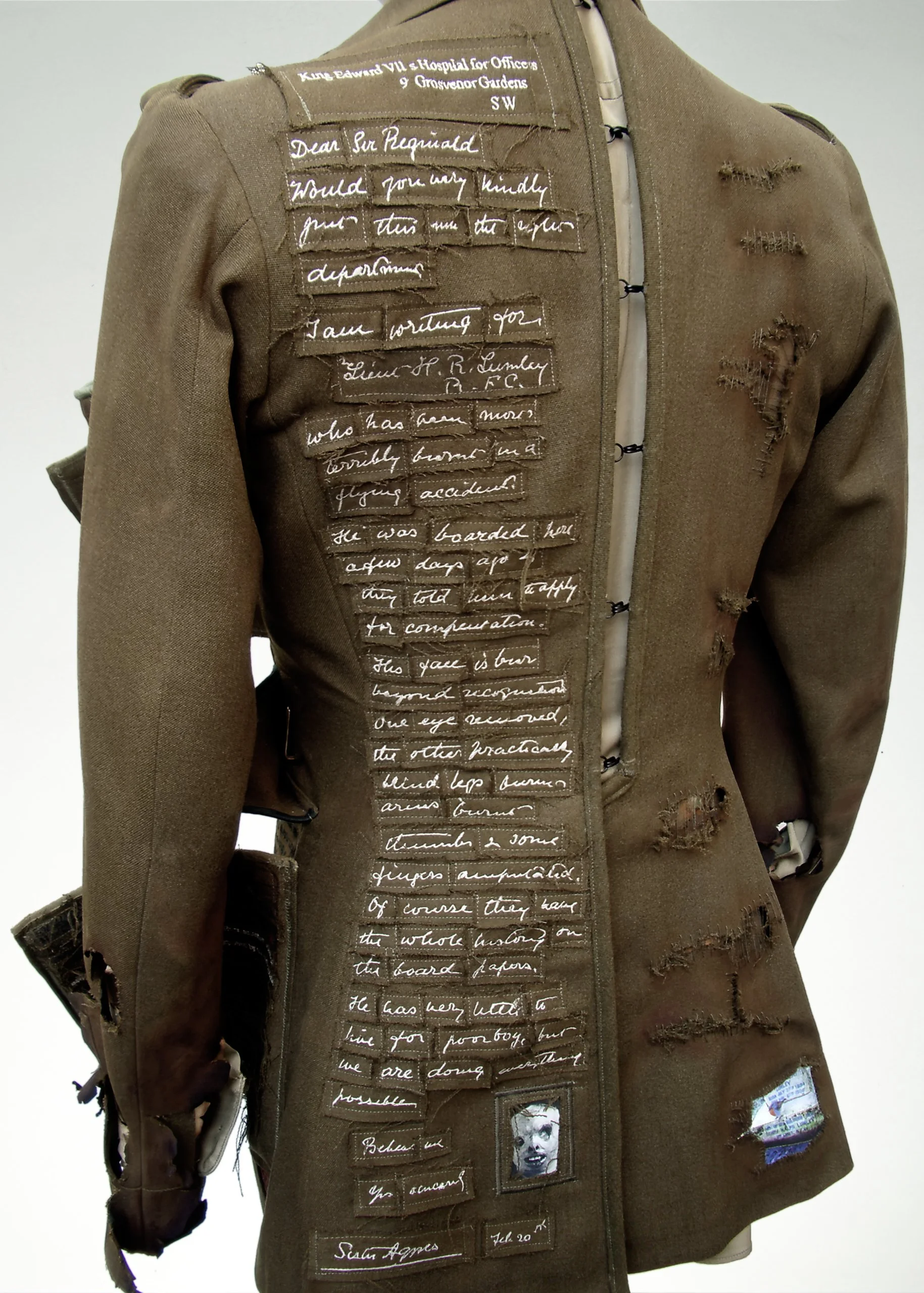
Edit:01. Paddy Hartley, Project Facade. The Lowry, Salford. 2015
Make my move for me will you my Love. 2016
Body of Memory
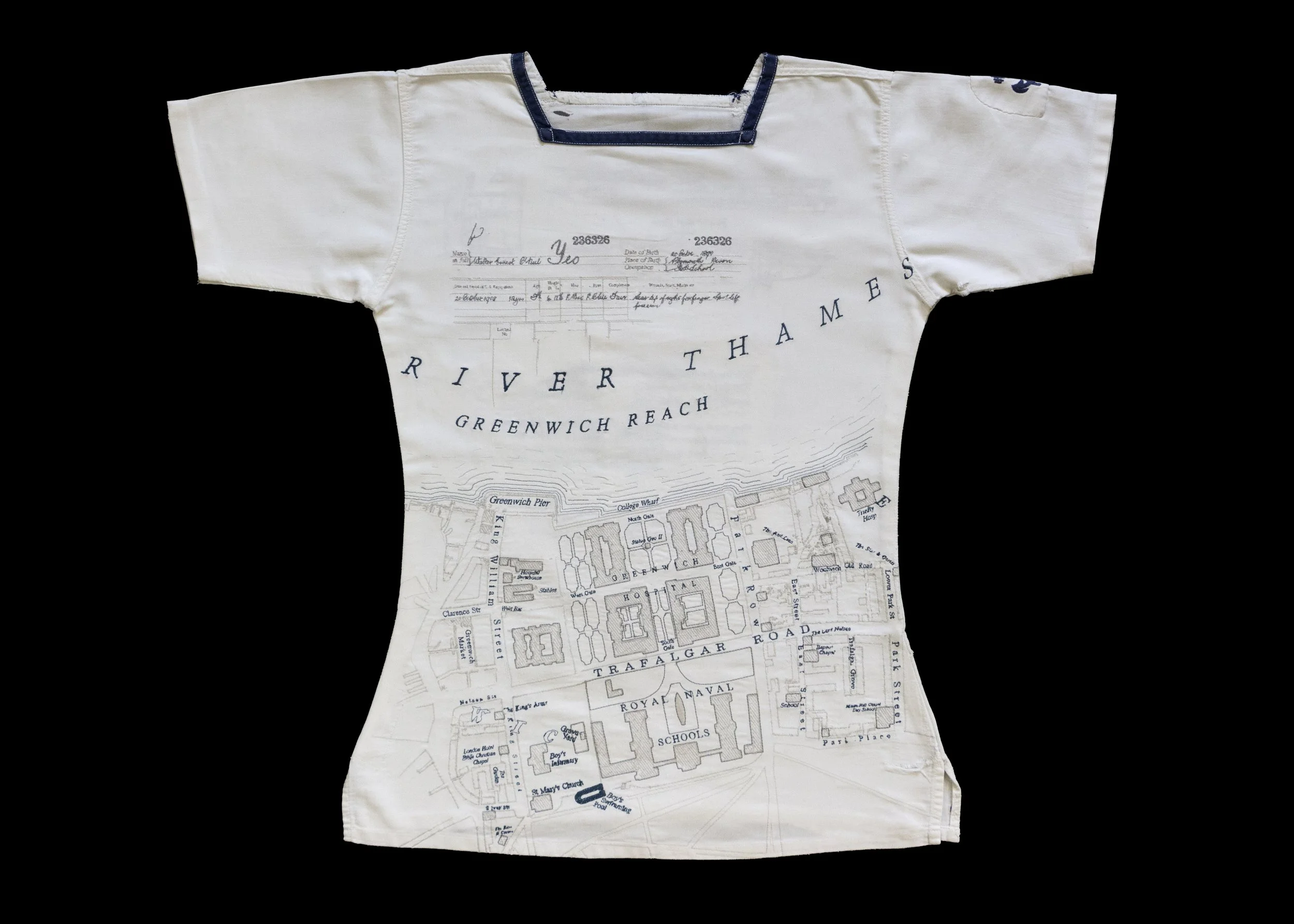
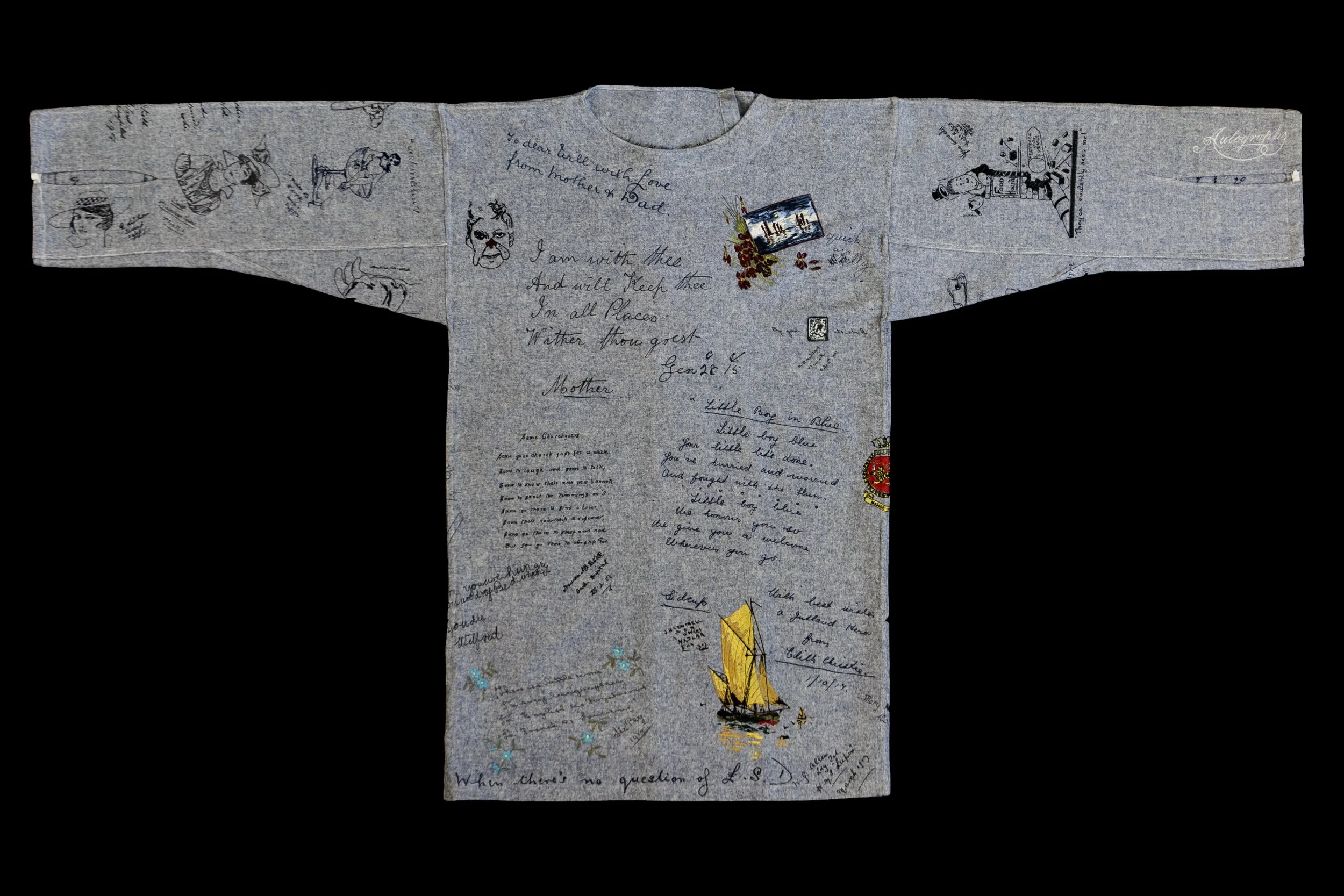
Body of Memory brings together a curated selection of works developed across a series of projects investigating the personal histories of First World War servicemen treated by pioneering plastic surgeon Sir Harold Gillies. Building upon the research undertaken through Project Facade, the selection revisits the lives of two sailors, Walter Ernest O’Neil Yeo and William Vicarage, both of whom sustained severe burns during the Battle of Jutland and underwent pioneering reconstructive surgery. Their treatment contributed to significant advances in the development of facial reconstruction.
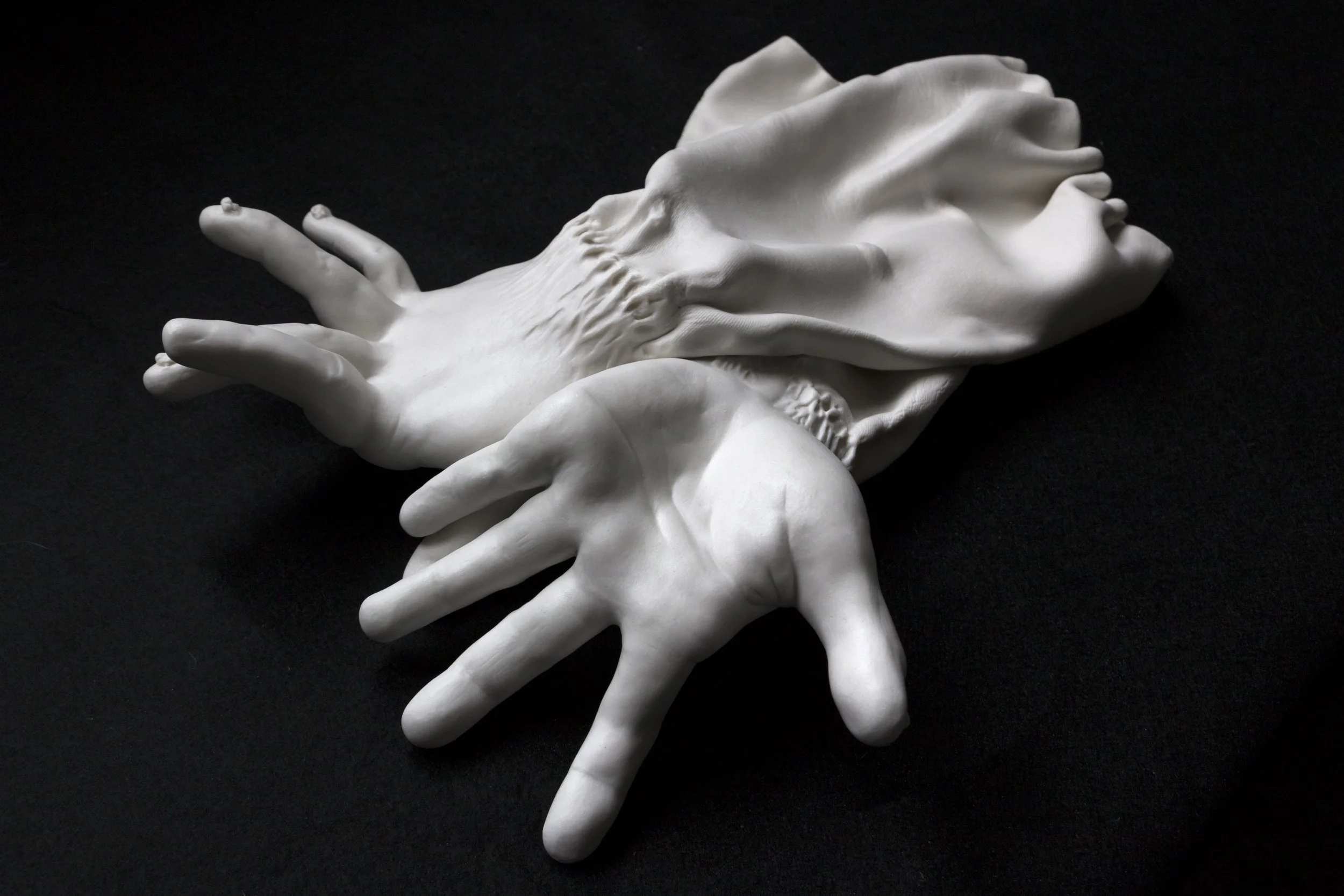
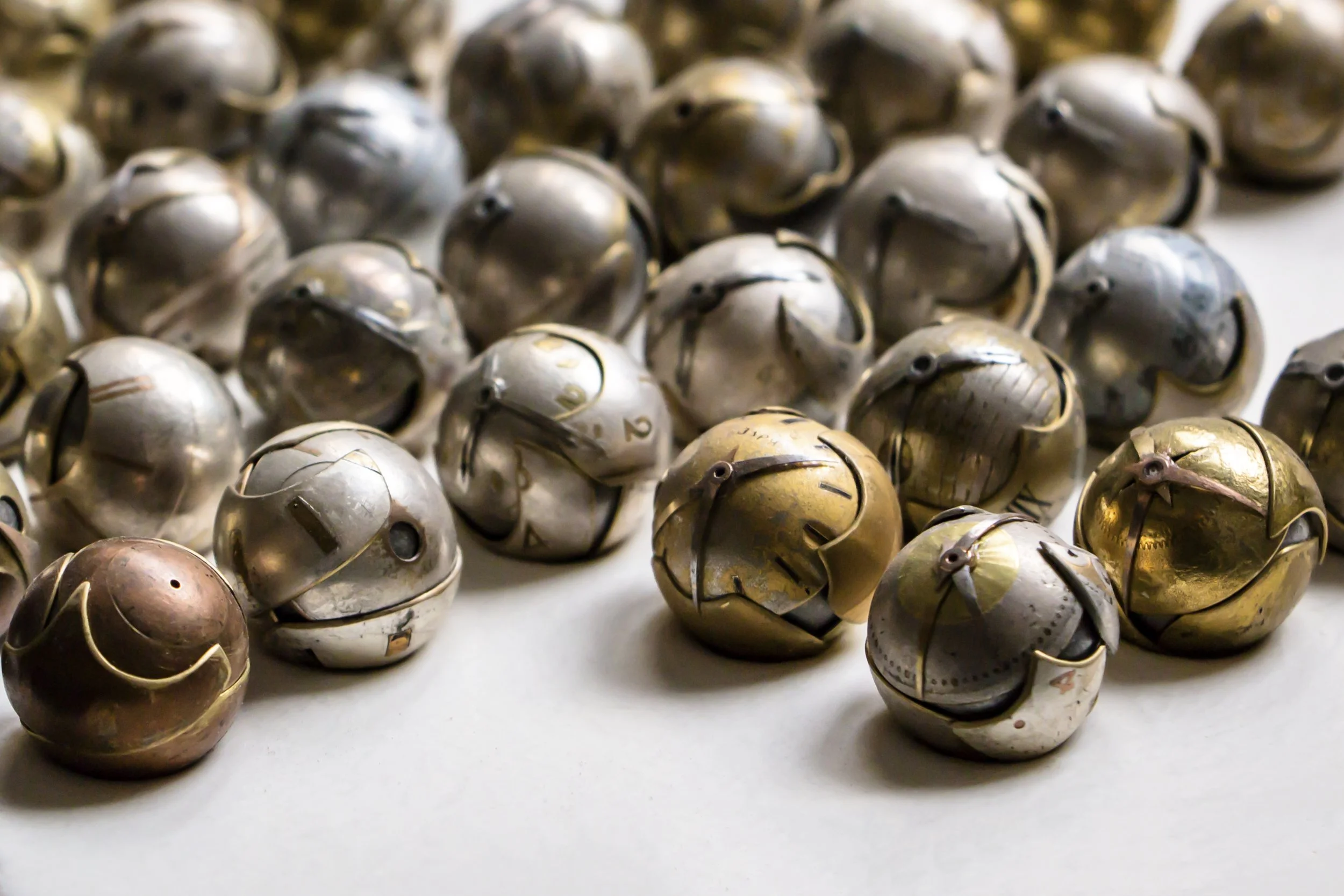
While Project Facade explored these histories exclusively through the medium of altered and embroidered military uniforms, Body of Memory extends the investigation into a broader material and sculptural language. Alongside further uniform works, the selection includes Make My Move for Me Will You My Love, in the form of a horological solitaire set, and Consequence, porcelain gauntlets depicting the disfigured hands of William Vicarage. These works move beyond the original uniform format, exploring the histories, experiences and enduring consequences of injury and reconstruction through alternative forms and materials.
Together, the works seek to recover the individual lives of patients treated by Gillies, looking beyond the clinical accounts of injury and surgical intervention to consider the identities, relationships and experiences that existed before, during and after these events. They reflect upon the relationship between the body and its representation, the persistence of personal histories and the ways in which memory is constructed, preserved and passed on.
Yeo Gown. 2016
Yeo Uniform. 2016
Body of Memory. The Straw Yard. Berwick Barracks. Berwick Upon Tweed. 2026
Papaver Rhoeas. 2015
Papaver Rhoeas
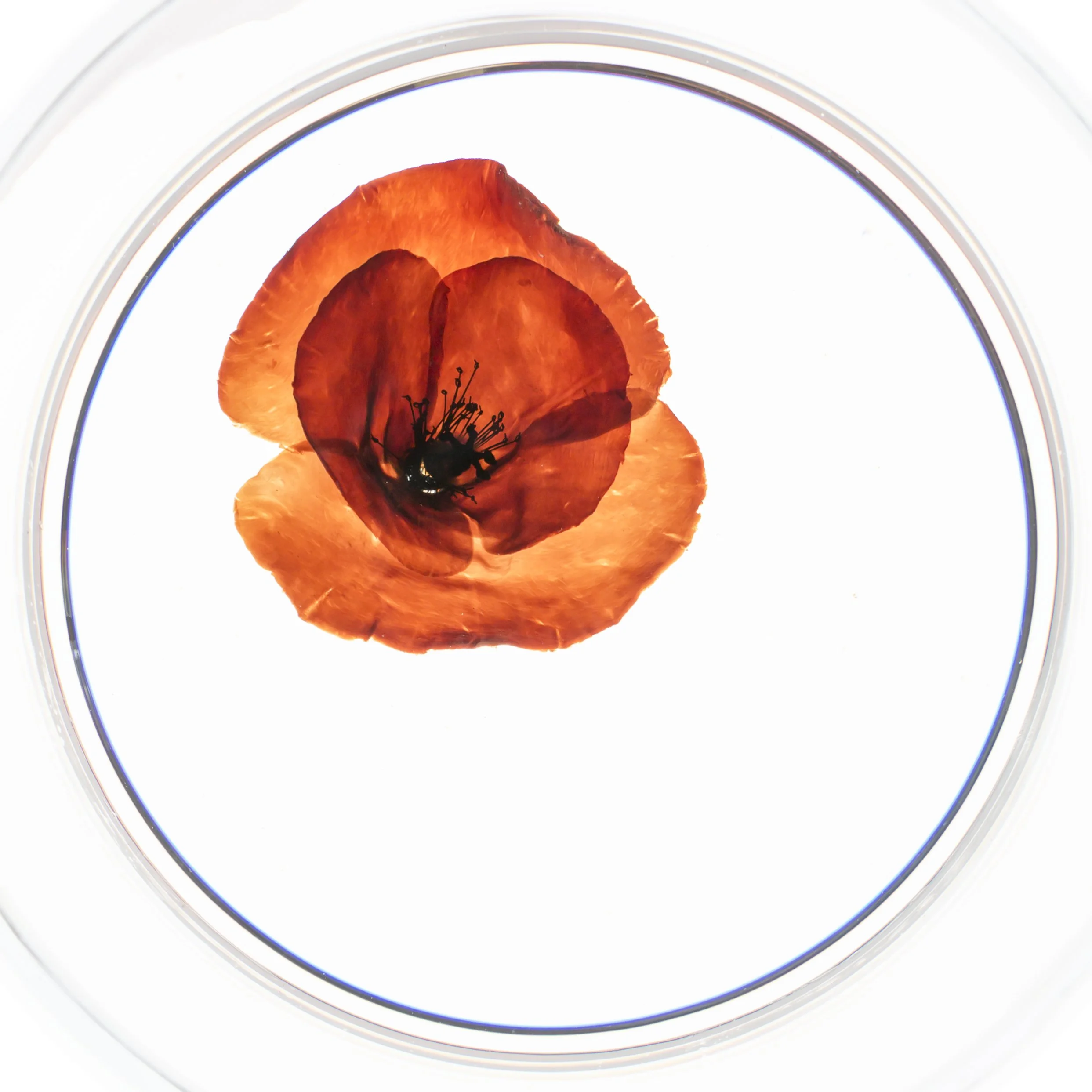
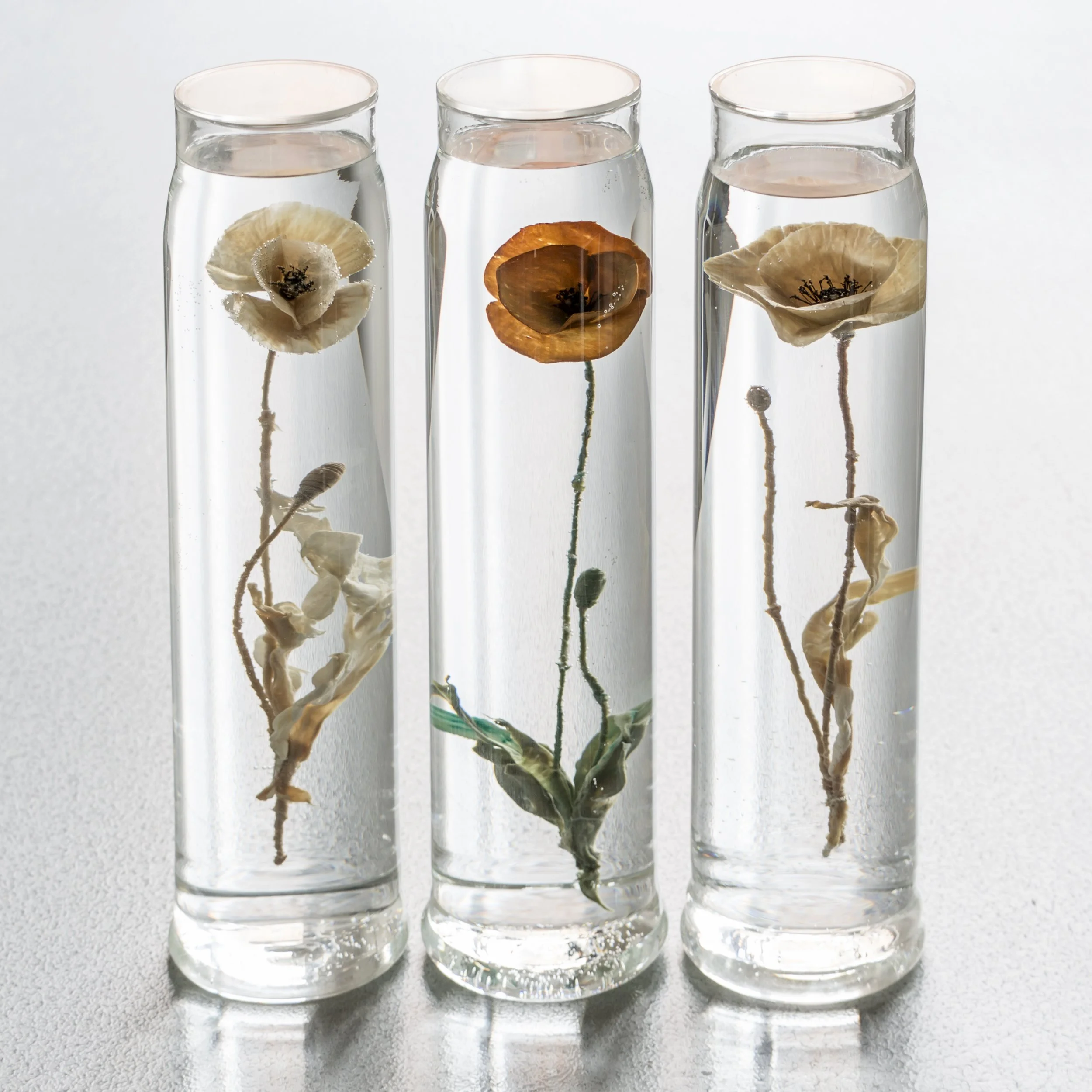
Papaver Rhoeas takes its name from the botanical designation for the common poppy, a flower that has become one of the most enduring symbols of remembrance and commemoration. Funded by a Wellcome Trust award, the work responds to the cultural significance of the poppy and the complex relationship between the rituals of remembrance, the realities of conflict and the ways in which sacrifice is represented and memorialised.
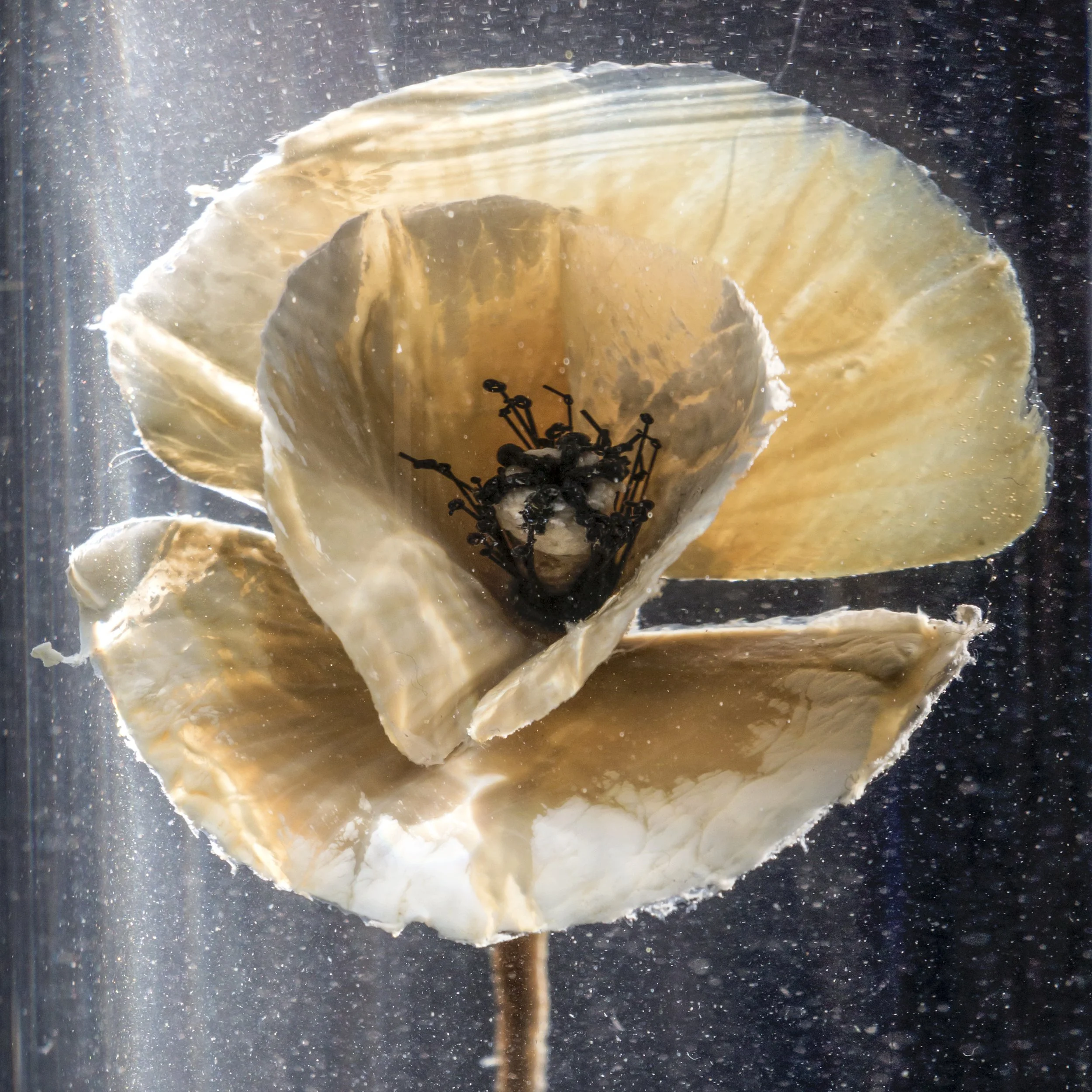
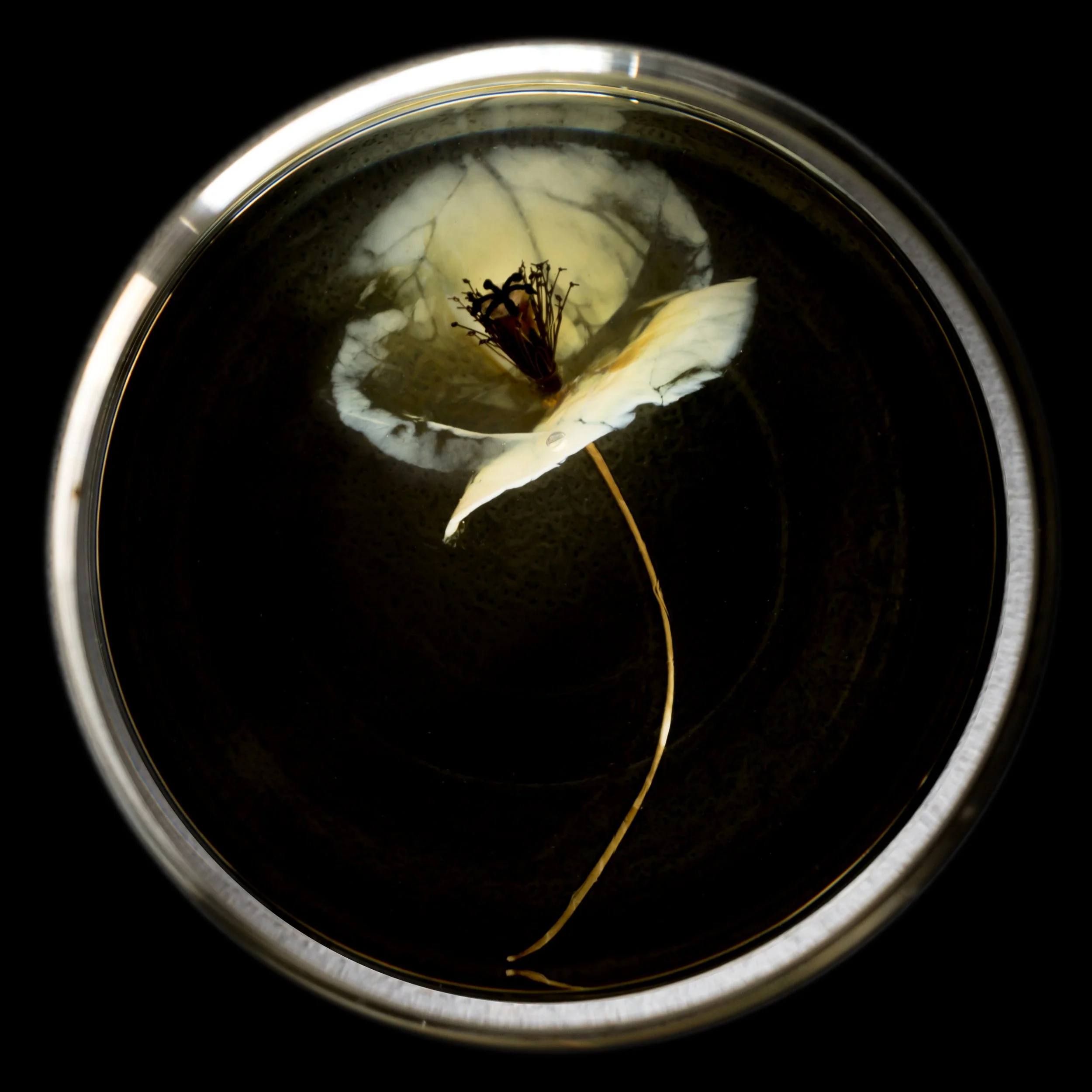
The sculptures are constructed from lamb’s heart tissue, horsehair and vintage surgical suture cotton, combined to evoke the fragility of the body, the physical consequences of conflict and the histories of medical intervention. Formed into poppy structures and presented within blown-glass vessels inspired by spent First World War artillery shells, the works bring together associations of life, death, injury and remembrance.
By combining organic material with the visual language of military and commemorative symbolism, Hartley examines the transformation of the poppy from a natural form into a powerful cultural signifier. Papaver Rhoeas considers how acts of remembrance can preserve the memory of those lost while also shaping the narratives through which conflict, sacrifice and national identity are understood. At the same time, the work offers a critique of the politicisation of remembrance culture.
Papaver Rhoeas, Alexander Fleming Museum. 2015.
Papaver Rhoeas, Armistice Exhibition, Norwich Castle Museum. 2018.
Papaver Rhoeas, Armistice exhibition, Norwich Castle Museum. 2018
Papaver Rhoeas was created in collaboration with Mr William Edwards, Curator of The Gordon Museum of Pathology, King’s College London.